

Infant’s Oral Care Routine: First Steps to Healthy Teeth
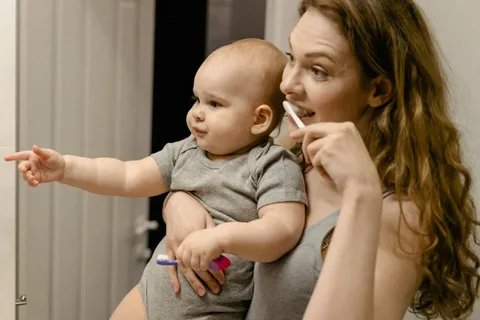
Creating a regular infant oral care routine is among the most important things a parent can do for their children. It is often thought that dental hygiene starts when the first tooth erupts, but in fact, it should be taken seriously right after the infant’s birth.
By practicing a good infant’s oral care routine, you not only get rid of any milk remnants, but you are also securing the growth of the child’s speech, nutrition, and future teeth, making them less likely to be misaligned.
This guide delves into how proper care of baby teeth not only prevents the occurrence of decay at an early age but also lays down a foundation of lifetime of healthy smiles.
Why an Infant Oral Care Routine Matters Early On
It is a common query among new parents that if baby teeth are eventually going to fall out, then why is an infant oral care routine necessary at all? But the truth is that these primary teeth perform very important tasks.
Setting the Foundation for Habit
An infant's oral care routine started early on makes the child familiar with mouth cleaning, and at the same time it also makes the parent gradually get used to it.
- This will decrease the number of times that parents face “battles” over brushing later on.
- When oral hygiene becomes a part of their daily routine, children are less likely to resist the toothbrush as they grow up.
Preventing “Bottle Rot”
The term “bottle rot” refers to the early childhood caries that may happen if the teeth and gums of the little ones are continuously exposed to sugary liquids. A proper infant oral care routine is one which removes sugars and wins the battle against enamel decay.
Stage 1: Before the First Tooth Appears
A baby toothbrush is not necessary to start your infant's oral care routine. Actually, the hygiene process for infants should not be delayed till dental eruption and should be started just a few days after the baby’s birth.
How to Clean Baby’s Gums
One of the most important and first things to master for new parents is knowing how to clean a baby’s gums.
- After every feeding, take a clean, damp washcloth or a piece of sterile gauze, wrap it around your index finger and gently wipe the upper and lower gum pads.
- This will get rid of the sticky bacteria and food leftovers that can get attached to the oral tissues.
The Gums Massage
Just when your baby is around the age of teething (4 and 6 months), it will be a good time to introduce gentle massage techniques.
- Using a clean finger to apply light pressure can soothe inflammation.
- It will make the transition to brushing much smoother.
Stage 2: Transitioning to the First Tooth
The first tooth’s eruption is a significant landmark. This is the moment your infant's oral care routine shifts from simple wiping to active brushing.
When to Start Brushing Baby Teeth
A common question among new parents is when to start brushing baby teeth. The answer is very concise: right after the very first tooth has emerged.
- Even a minuscule part of the tooth can attract plaque.
- If the infant's oral care routine is strictly followed, then the enamel remains protected and cavity-free from day one.
Caring for A Baby’s First Teeth
Caring for a baby’s first teeth requires the right tools.
- A soft-bristled brush made exclusively for infants should be used.
- The head must be compact enough to sit comfortably in their mouth.
- For the baby’s oral hygiene routine, use a “smear” of fluoride toothpaste, around the size of a grain of rice.
Stage 3: Mastering the Brushing Technique
With the appearance of more teeth, the routine for the care of infant teeth will be more detailed. Baby oral hygiene is a matter of being consistent and skillful.
Proper Brushing Motion
when carrying out the infant's oral care routine:
- Direct the bristles towards the gum line at an angle of 45 degrees.
- Instead of trying to scrub hard, use soft, circular motions.
- Make sure the brush reaches every nook and cranny of the mouth.
The Significance of Nighttime Cleaning
Brushing before going to bed is the most important part of the infant's oral care routine.
- While sleeping, saliva production decreases, allowing bacteria to remain on the teeth for a longer period.
- Never let your baby sleep with a bottle containing milk or juice, as it can be speed up the decay.
Small Smiles, Big Beginnings
Start Your Infant’s Oral Care Routine Today
Stage 4: Dietary Habits and Dental Health
An infant's oral care involves not only the toothbrush but also what is eaten. Diet is a critical factor in infant dental care.
Limiting Sugary Snacks
The sugar present in “natural” forms like fruit juices can be harmful, if allowed too often. Water between meals is good for the baby's oral hygiene, and juice should be limited to small amounts only during mealtime.
Fluoride: The Natural Enemy of Cavities
Fluoride is a key component in caring for a baby’s first teeth. Enamel is made more resistant by fluoride, which is found even in most tap water. A small amount of fluoride toothpaste provides protection against the acid attacks of bacteria.
Stage 5: The First Dental Visit
A professional check-up is a crucial support of the infant's oral care routine. The majority of pediatric dentists suggest the “First Visit by First Birthday” principle.
What takes place at the First Appointment?
The dentist will not only check the growth of the jaw but will also give individual advice on how to clean the baby’s gums if some teeth haven’t come out yet, and will suggest ways to enhance your baby’s oral care routine.
Initiating dental visits at an early age makes your child see the dentist as a partner.
To keep things simple, follow this checklist for a successful infant oral care routine:
Establishing a regular infant oral care routine will contribute to your child’s future health and well-being. If you build these habits at the beginning, you will not only prevent the onset of early childhood decay but also make dental visits a nice and easy experience for your family. A committed infant oral care routine is the start of a lifetime of bright and secure smiles. Don’t wait any longer, give your dear one the best start possible for his/her dental adventure.
Little Forest Pediatric Dentistry in Corona, CA, offers a fun, compassionate environment for infants, children, and teens. We provide routine cleanings, fluoride, and sealants alongside restorative care like crowns. With gentle sedation and specialized special needs dentistry, we ensure every child enjoys a comfortable, stress-free visit dedicated to healthy smiles.




Frequently Asked Questions

Request an Appointment
Corona, California 92883